⚡ The Fast Answer
GLP-1 agonists (Ozempic, Wegovy, Mounjaro, Zepbound) mimic a gut hormone to lower blood sugar AND reduce appetite. Originally diabetes drugs, now also FDA-approved for weight management.
Shortages resolved 2025. Most pharmacies stock most doses most weeks. Occasional regional gaps remain for specific dose strengths.
FDA ended compounded GLP-1 allowance in Feb 2025 (semaglutide) and Oct 2024 (tirzepatide). Compounded versions no longer legal except narrow clinical exceptions.
Tirzepatide (Mounjaro/Zepbound) slightly more effective than semaglutide for weight loss (~22% vs ~15% body weight reduction at max doses per SURMOUNT vs STEP trials).
Prices US 2026 (uninsured): Ozempic $950-1,100/month, Wegovy $1,300-1,500, Mounjaro $1,000-1,100, Zepbound $1,000-1,200. CANADA: ~$200-280 CAD/month for Ozempic. New cash-pay programs (LillyDirect, NovoCare) reduce US uninsured costs to $400-650/month for some products.
Stopping = weight regain 50-67% within 1-2 years (STEP-4, SURMOUNT-4 trials). For weight management, typically a chronic medication.
GLP-1 receptor agonists have transformed diabetes and obesity treatment over the past five years. In 2026, the supply situation has stabilized, the FDA has tightened compounding rules, and new evidence continues to emerge. Here's what pharmacists, patients, and prescribers need to know.
Section 1 — How GLP-1 Agonists Work
GLP-1 (glucagon-like peptide-1) is a natural gut hormone released after eating. It signals the pancreas to release insulin, slows stomach emptying, and tells the brain you're full. GLP-1 receptor agonists are synthetic versions of this hormone — they stay in the body much longer (days, not minutes) and amplify these effects.
Three Mechanisms of Action
- Glucose-dependent insulin release — Stimulates insulin only when blood sugar is high (low hypoglycemia risk).
- Delayed gastric emptying — Food stays in the stomach longer, prolonging satiety.
- Central appetite suppression — Acts on hypothalamic centers to reduce hunger signals.
Section 2 — The Major GLP-1 Drugs in 2026
Ozempic
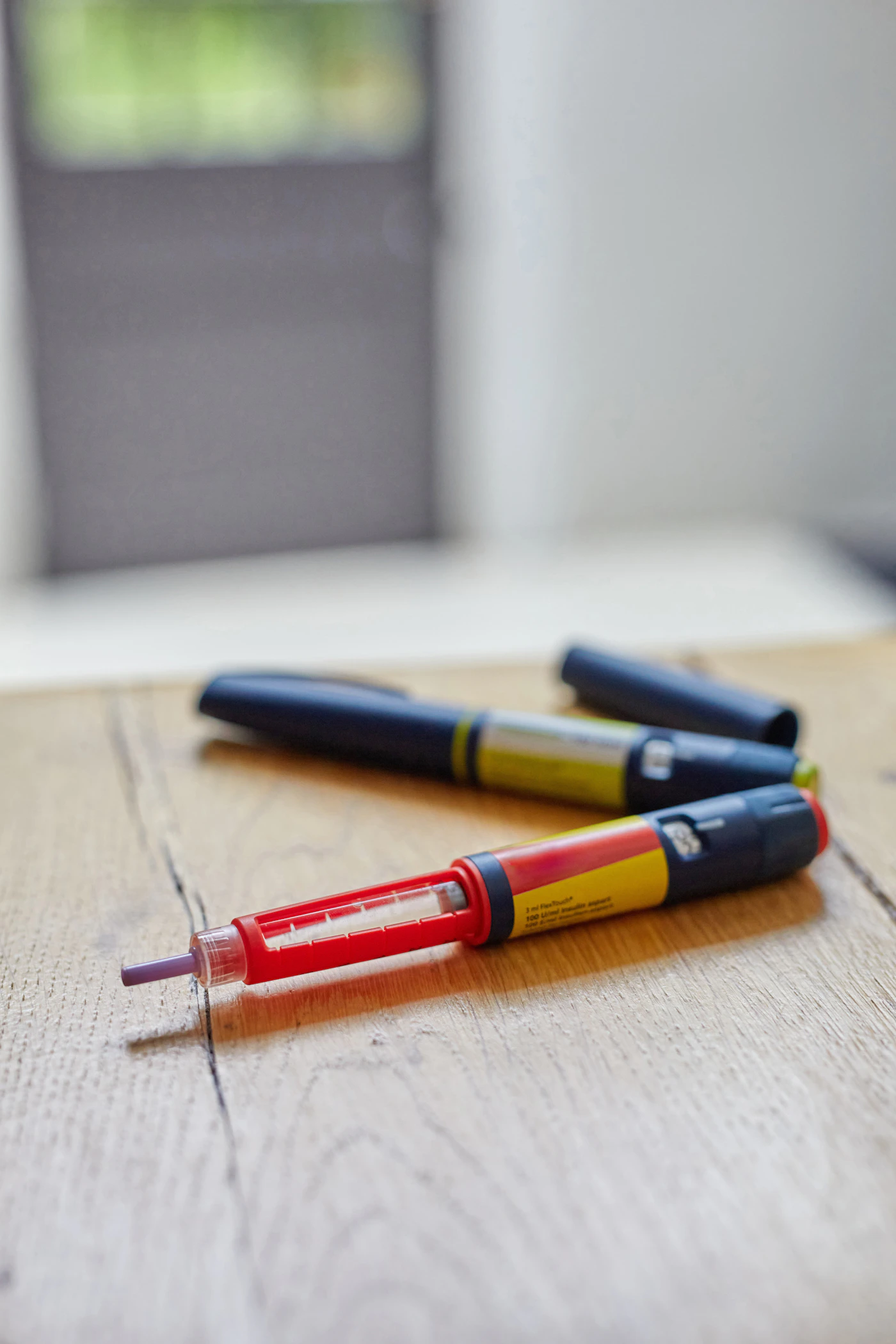
(semaglutide injectable, Novo Nordisk)The most recognized name in the class. Weekly subcutaneous injection. FDA approval for type 2 diabetes (2017) and cardiovascular event reduction in adults with T2D and known CVD (2020). Widely covered by insurance for diabetes.
Wegovy
(semaglutide injectable, higher doses, Novo Nordisk)Same molecule as Ozempic but FDA-approved at higher doses specifically for weight management. Phase 3 STEP trials showed ~15% body weight loss at 2.4 mg. New: NovoCare cash-pay program 2026 for self-pay patients.
Mounjaro
(tirzepatide injectable, Eli Lilly)Dual GIP/GLP-1 receptor agonist — acts on TWO gut hormone pathways, not just one. SURPASS trial program showed superior A1C reduction vs semaglutide. Approved for T2D in 2022.
Zepbound
(tirzepatide injectable, weight management, Eli Lilly)Same molecule as Mounjaro, FDA-approved for obesity (Nov 2023). SURMOUNT trials showed ~22% body weight loss at max dose — most effective approved weight loss drug. New: LillyDirect cash-pay vials at $400-650/month for self-pay.
Saxenda / Victoza
(liraglutide injectable, Novo Nordisk)Older daily-injection GLP-1. Less commonly prescribed in 2026 as patients prefer weekly semaglutide/tirzepatide. However, liraglutide's patent has expired and generic biosimilar versions are emerging (potential cost reduction).
Trulicity
(dulaglutide injectable, Eli Lilly)Weekly injection, established T2D drug. Less effective than tirzepatide but well-tolerated, often well-covered by insurance, simpler pen design.
Section 3 — Drug Comparison Table
| Drug | Molecule | Indication | Max Weight Loss | US Cash Price |
|---|---|---|---|---|
| Ozempic | Semaglutide | T2D + CV | ~10-12 % | ~$950-1,100 |
| Wegovy | Semaglutide (higher dose) | Obesity | ~15 % | ~$1,300-1,500 |
| Mounjaro | Tirzepatide | T2D | ~20 % | ~$1,000-1,100 |
| Zepbound | Tirzepatide (same molecule) | Obesity | ~22 % | ~$1,000-1,200 |
| Saxenda | Liraglutide | Obesity (daily inj.) | ~6-8 % | ~$1,000-1,300 |
| Victoza | Liraglutide | T2D (daily inj.) | ~3-5 % | ~$800-1,000 |
| Trulicity | Dulaglutide | T2D | ~4-7 % | ~$800-1,000 |
| Rybelsus | Oral semaglutide | T2D | ~3-4 % | ~$950-1,100 |
Prices indicative US 2026 cash-pay/uninsured, ~30-day supply. Insurance, manufacturer programs, and cash-pay programs (LillyDirect, NovoCare) can significantly reduce costs.
Section 4 — Side Effects: What to Know
Common (and Usually Manageable)
- Nausea (40-50 % early on) — Most common reason for stopping. Usually improves over 4-8 weeks as dose increases gradually.
- Vomiting (5-15 %) — Triggers dehydration risk; sip fluids constantly.
- Diarrhea (10-20 %) or constipation (5-15 %) — Often alternating.
- Abdominal pain — Usually mild; severe pain = call doctor.
- Decreased appetite — Desired effect but watch for inadequate intake.
- Fatigue, headache — Common first weeks.
- Injection site reactions — Usually mild redness/itching.
Serious But Rare
- Pancreatitis — ~0.5-1 % lifetime risk vs population baseline. Severe upper abdominal pain → ER.
- Gallbladder disease — 1-2 %, higher with rapid weight loss.
- Acute kidney injury — Usually secondary to dehydration from severe GI symptoms.
- Allergic reactions — Rare anaphylaxis.
Emerging and Monitored
- Gastroparesis — Significant stomach paralysis in small subset of patients, sometimes persisting after stopping. Active area of research and FDA monitoring in 2026.
- Thyroid C-cell tumors — Class warning from rat studies, not confirmed in humans. CONTRAINDICATED if personal or family history of medullary thyroid carcinoma or MEN-2 syndrome.
- Severe, persistent abdominal pain (especially radiating to back)
- Persistent vomiting preventing fluid intake
- Signs of dehydration (dizziness, low urine output)
- Yellowing of skin/eyes (jaundice)
- Severe allergic reaction (face swelling, breathing difficulty)
- Vision changes (rare diabetic retinopathy progression)
Section 5 — Pricing in 2026 — US and Canada
United States — Without Insurance
| Drug | List Price/mo | Cash-Pay Programs |
|---|---|---|
| Ozempic | ~$950-1,100 | NovoCare patient assistance |
| Wegovy | ~$1,300-1,500 | NovoCare ~$650-1,000/mo for self-pay |
| Mounjaro | ~$1,000-1,100 | LillyDirect patient assistance |
| Zepbound | ~$1,000-1,200 | LillyDirect cash-pay vials ~$400-650/mo |
United States — With Insurance
Most commercial plans now cover at least one GLP-1 for diabetes. Coverage for obesity expanded since Medicare Part D Inflation Reduction Act 2025 implementation. Typical patient out-of-pocket: $25-200/month after coverage. Prior authorization usually required.
Canada
Significantly cheaper at the counter without insurance. Ozempic ~$200-280 CAD/month (vs ~$1,000+ USD). Provincial drug plan coverage varies: typically covered for type 2 diabetes; obesity coverage requires medical evaluation (Quebec RAMQ requires documented evaluation by specialist).
- Have insurance: Ask prescriber to verify formulary coverage before prescription written; check copay-assistance card from manufacturer.
- No insurance, US: Compare LillyDirect (Zepbound) and NovoCare (Wegovy) cash-pay vials — significantly lower than pharmacy retail.
- Medicare: Some Part D plans cover; check formulary annually during open enrollment.
- Canada: Apply for provincial drug plan coverage if eligible. Private insurance often covers.
- Always: Use GoodRx, manufacturer copay cards, and pharmacy generic compare tools before paying full list price.
Section 6 — The Compounded GLP-1 Situation in 2026
During the 2023-2024 shortage, FDA regulations allowed 503A and 503B compounding pharmacies to make versions of semaglutide and tirzepatide because the brand drugs were on the FDA shortage list. This was legal under Food, Drug, and Cosmetic Act provisions for shortage scenarios.
🗓️ Compounded GLP-1 Timeline
Section 7 — Stopping GLP-1s — Weight Regain
This is the most under-discussed topic. Stopping GLP-1 drugs results in significant weight regain within 1-2 years for most patients.
The Evidence
- STEP-4 trial (semaglutide): Patients stopping after maximum weight loss regained ~12 % of total body weight within 1 year.
- SURMOUNT-4 trial (tirzepatide): Patients stopping after maximum loss regained ~14 % within 1 year.
- Real-world data: 50-67 % of weight loss regained within 2 years of stopping.
Why Weight Regain Happens
- Appetite hormones (ghrelin) return to or above pre-treatment levels
- Resting metabolic rate is permanently reduced after weight loss ("metabolic adaptation")
- Food preferences and reward signals return to pre-treatment patterns
- No physiological "off-switch" for hunger compensation
Practical Implications
For weight management, GLP-1 drugs are typically chronic medications, similar to blood pressure or cholesterol drugs. Most patients who maintain weight loss require ongoing treatment, possibly at lower maintenance doses. Stopping decisions should be made WITH your prescriber, planned carefully:
- Reach goal weight
- Try maintenance dose (often lower than max)
- If weight stable for 6-12 months, attempt slow taper
- Close monitoring with weigh-ins
- Be prepared to restart if weight regain begins
The Bottom Line for 2026
GLP-1 agonists transformed diabetes and obesity treatment — the most effective weight management medications in history. In 2026, the supply chaos of 2023-2024 has stabilized, and prescribing decisions are clearer.
For type 2 diabetes: Ozempic or Mounjaro most common. Mounjaro (tirzepatide) modestly more effective for both glycemic control and weight loss.
For weight management: Zepbound (tirzepatide) currently most effective (~22 % body weight loss at max dose). Wegovy (semaglutide) very effective alternative (~15 %).
For cost: Insurance coverage is the biggest variable. LillyDirect cash-pay vials and NovoCare programs make these drugs more affordable for some uninsured patients in 2026.
For compounded versions: The era is ending in 2025-2026. Transition to FDA-approved formulations with your prescriber.
For long-term: Plan for chronic medication unless dramatic lifestyle changes. Weight regain after stopping is the rule, not the exception.
FAQ — GLP-1 Agonists 2026
What are GLP-1 agonists and how do they work?
Are Ozempic and Mounjaro still in shortage in 2026?
What are the side effects in 2026?
Costs US and Canada 2026?
What happened to compounded GLP-1s?
How to choose between Ozempic, Wegovy, Mounjaro, Zepbound?
Can I stop GLP-1s once I lose weight?
Does this article replace medical advice?
- FDA Drug Shortages Database — semaglutide and tirzepatide status
- ASHP Drug Shortages Resource
- Wilding JPH et al. (STEP-1 trial). NEJM 2021;384:989-1002 — Once-Weekly Semaglutide in Adults with Overweight or Obesity
- Jastreboff AM et al. (SURMOUNT-1 trial). NEJM 2022;387:205-216 — Tirzepatide Once Weekly for the Treatment of Obesity
- Rubino D et al. (STEP-4 trial). JAMA 2021;325:1414-1425 — Effect of Continued Weekly Subcutaneous Semaglutide vs Placebo on Weight Loss Maintenance
- Aronne LJ et al. (SURMOUNT-4 trial). JAMA 2024;331:38-48 — Continued Treatment With Tirzepatide for Maintenance of Weight Reduction
- FDA Drug Safety Communications and warning letters — compounded GLP-1 enforcement actions 2024-2026
- Eli Lilly LillyDirect Cash-Pay Vials Program (2024) and Novo Nordisk NovoCare Pharmacy program (2024)
Disclaimer. Pricing, coverage, and availability reflect US and Canadian markets as of June 2026 and change frequently. Confirm current pricing with your pharmacist or insurance. GLP-1 medications require prescription and ongoing physician supervision. For severe side effects: 911 (US/CA) or ER. For non-urgent questions: your pharmacist. Last updated: June 12, 2026.